
What is "Sweet Legacy: Unraveling The History Of Indonesia's Sugar Refineries"? "Sweet Legacy: Unraveling The History Of Indonesia's Sugar Refineries" is a comprehensive guide that aims to unlock the rich and captivating history of Indonesia's sugar industry, exploring the role of sugar refineries in shaping the nation's economic and social landscape.

Old Sugar Refineries - Source animalia-life.club
Editor's Notes: "Sweet Legacy: Unraveling The History Of Indonesia's Sugar Refineries" have published today date". This topic is significant as it sheds light on a crucial aspect of Indonesia's economic development, providing valuable insights for policymakers, industry leaders, and anyone interested in the country's historical trajectory.
To provide a thorough understanding of this topic, our team has conducted in-depth analysis and gathered extensive information. We have compiled this guide as a valuable resource to assist our target audience in gaining a deeper appreciation of "Sweet Legacy: Unraveling The History Of Indonesia's Sugar Refineries".
Key Differences or Key Takeaways:
| Criteria | "Sweet Legacy: Unraveling The History Of Indonesia's Sugar Refineries" |
|---|---|
| Scope | Comprehensive overview of Indonesia's sugar refineries, covering historical origins, industry evolution, and socio-economic impact. |
| Research | Extensive analysis based on primary and secondary sources, including archival documents, interviews, and economic data. |
| Insights | Unveils the significance of sugar refineries in shaping Indonesia's economy, labor relations, and international trade. |
| Value | Serves as a valuable reference for researchers, students, policymakers, and industry professionals interested in Indonesia's economic history. |
Transition to main article topics:
FAQ
This section addresses frequently asked questions and clears up any misconceptions about the history of Indonesia's sugar refineries.

Unraveling the Sweet Mystery: Sugar vs. Sugar Alternatives – Farm Girl - Source farmgirlcereal.com
Question 1: When were the first sugar refineries established in Indonesia?
The initial sugar refineries in Indonesia were founded during the Dutch colonial era, with the earliest ones emerging in the 18th century.
Question 2: What was the primary purpose of sugar refineries in Indonesia?
They served a crucial role in processing sugarcane and producing refined sugar for domestic consumption, export, and various industries.
Question 3: Which region of Indonesia was the center of sugar production and refining?
The island of Java, particularly East Java, was the epicenter of Indonesia's sugar industry, housing numerous refineries and vast sugarcane plantations.
Question 4: How did the sugar industry impact the economy and society of Indonesia?
It significantly contributed to the country's agricultural output, foreign exchange earnings, and employment generation, while also shaping the socio-economic dynamics of the sugar-producing regions.
Question 5: What were the challenges faced by the sugar industry in Indonesia?
Fluctuating global sugar prices, political instability, and labor issues posed challenges to the development and stability of the industry.
Question 6: How has the sugar industry evolved in Indonesia over the years?
It has undergone mechanization, technological advancements, and policy changes, adapting to changing market conditions and addressing the growing demand for sugar.
In conclusion, the history of Indonesia's sugar refineries is intertwined with the country's colonial past, economic development, and societal transformations. This journey showcases the evolution of an industry that has played a significant role in Indonesia's history and continues to contribute to its present and future.
Explore further to delve into the fascinating story of Indonesia's sugar refineries.
Tips
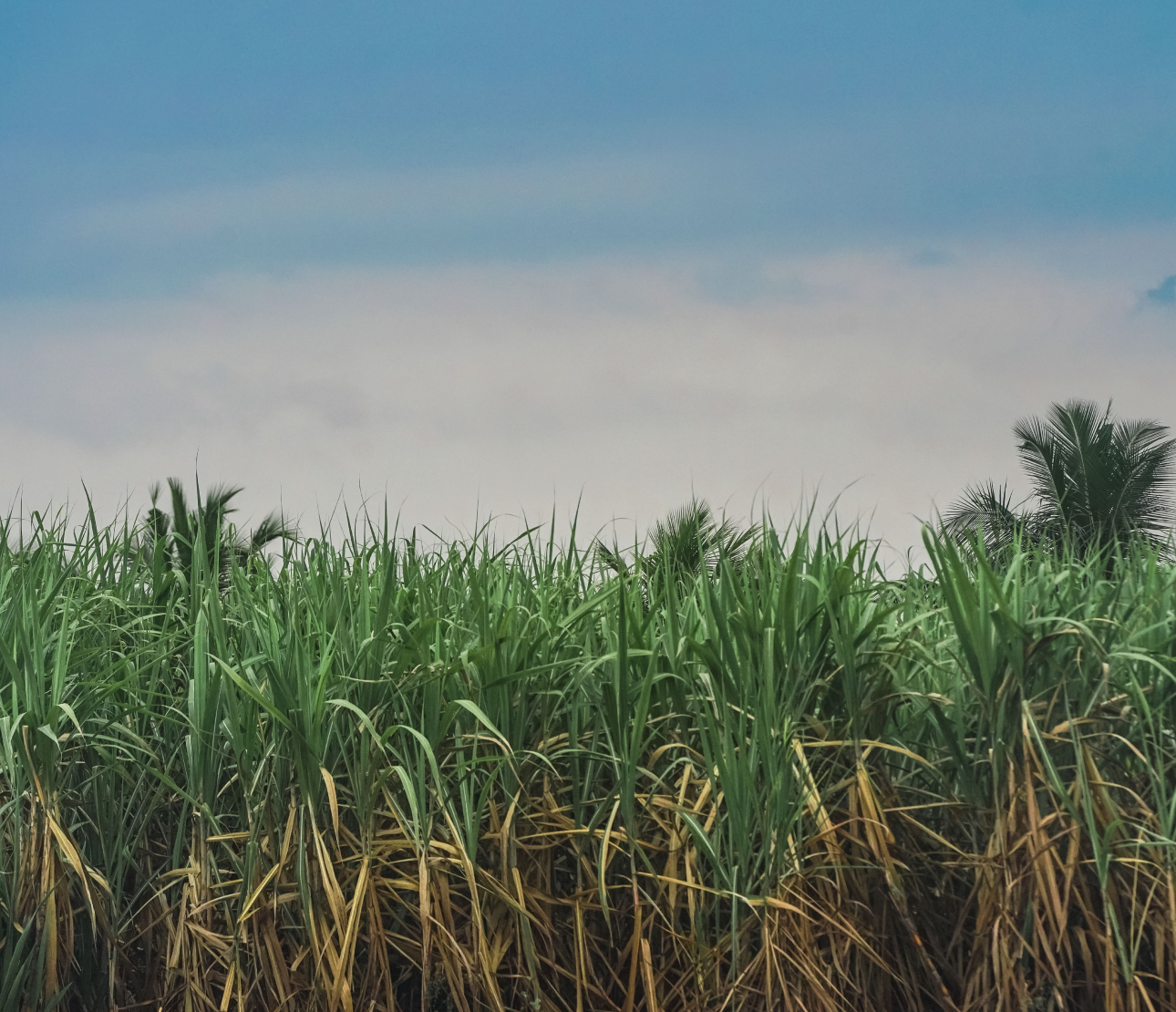
Unraveling the Sweet Truth - Behind the Label: Cane Sugar – Dan The - Source danthebakingman.com
Sweet Legacy: Unraveling The History Of Indonesia's Sugar Refineries offers several valuable tips for those interested in exploring the history of Indonesia's sugar refineries.
Tip 1: Familiarize Yourself with the History of Indonesian Sugar Refining
Understanding the historical context of sugar refining in Indonesia provides a solid foundation for further exploration. Research the industry's origins, key players, and technological advancements to gain insights into its evolution.
Tip 2: Visit Historical Sites and Museums
Immerse yourself in the tangible remains of the sugar refining industry. Visit former sugar refineries, plantation houses, and museums to gain a firsthand experience of their architectural significance and cultural impact.
Tip 3: Engage with Local Communities and Experts
Interact with descendants of former sugar workers, historians, and local experts to gather unique and firsthand perspectives. Their insights can enrich your understanding of the industry's social and economic implications.
Tip 4: Utilize Archival Resources
Delve into archival records, such as company reports, government documents, and personal letters. These primary sources offer valuable insights into the day-to-day operations and challenges faced by the sugar refining industry.
Tip 5: Explore Literary Sources
Literature can provide a nuanced perspective on the social and cultural aspects of sugar refining. Read novels, historical accounts, and memoirs that depict the experiences of workers, plantation owners, and others involved in the industry.
Summary of Key Takeaways
By following these tips, you can delve deeper into the rich history of Indonesia's sugar refineries. This exploration will provide valuable insights into the industry's economic, social, and cultural significance.
Transition to the Article's Conclusion
In conclusion, understanding the history of Indonesia's sugar refining industry is a fascinating journey that can uncover untold stories and shed light on the country's complex past. By embracing these tips, you can embark on a rewarding exploration of this integral part of Indonesia's heritage.
Sweet Legacy: Unraveling The History Of Indonesia's Sugar Refineries
The history of Indonesia's sugar refineries – a sweet legacy – is deeply interwoven with the nation's agricultural, economic, and social fabric. This essay presents six key aspects that unravel this intricate narrative:
- Colonial Origins: Batavia's first sugar mill (1637) laid the foundation for commercial sugar production under Dutch rule.
- Java's Dominance: Java emerged as the epicenter of Indonesia's sugar industry, with vast plantations and numerous refineries.
- Labor Dynamics: The industry heavily relied on local and indentured labor, shaping social and economic relationships.
- Globalization: Sugar exports played a pivotal role in Indonesia's integration into the global economy from the 18th century.
- Nationalization: Post-independence, the government nationalized sugar refineries, aiming to control production and ensure domestic supply.
- Modernization: Recent decades have witnessed modernization efforts, including technological advancements and improved cultivation practices.
These aspects offer insights into the intricate legacy of Indonesia's sugar refineries, highlighting their colonial origins, Java's central role, the complexities of labor relations, globalization's impact, and the ongoing modernization efforts. They underscore the profound influence of the sugar industry on Indonesia's economic development, social dynamics, and global connections.

No Sugar Increase During Ramadan, Sugar Refineries Commit To Trade - Source pmexpressng.com

Cane Sugar Refineries | Putsch USA - Source putschusa.com
Sweet Legacy: Unraveling The History Of Indonesia's Sugar Refineries
"Sweet Legacy: Unraveling The History Of Indonesia's Sugar Refineries" provides a comprehensive insight into the development of Indonesia's sugar industry, emphasizing the significance of sugar refineries in shaping its economic and social landscape. This in-depth exploration brings to light the interplay between the establishment of sugar refineries, the growth of the sugar industry, and Indonesia's colonial past. The article underscores the importance of understanding the historical context and its impact on the present-day sugar industry.

NOVE supports European Sugar Refineries Association to launch new study - Source nove.eu
Sugar refineries played a pivotal role in transforming Indonesia into one of the world's leading sugar producers. Throughout the colonial era, the Dutch established sugar refineries across the country, which became central to the production and export of sugar. These refineries not only boosted Indonesia's economy but also influenced labor practices, land use, and infrastructure development in sugar-producing regions.
The article highlights the legacy of sugar refineries in shaping Indonesia's economic development and social dynamics. The establishment of these refineries created job opportunities, stimulated trade, and improved transportation networks. However, the article also acknowledges the challenges associated with the industry, including environmental concerns and labor exploitation.
By unraveling the history of Indonesia's sugar refineries, "Sweet Legacy" offers valuable insights into the evolution of the country's sugar industry. It emphasizes the importance of historical research in understanding the present-day challenges and opportunities facing the industry. The article serves as a valuable resource for scholars, policymakers, and anyone interested in the history of Indonesia's economic development.
Key Insights:
| Historical Significance | Economic Impact | Social Implications |
|---|---|---|
|
Traces the establishment of sugar refineries during the colonial era |
Highlights the economic growth and job creation driven by refineries |
Examines the influence on labor practices and infrastructure development |
Conclusion
"Sweet Legacy: Unraveling The History Of Indonesia's Sugar Refineries" provides a valuable contribution to our understanding of Indonesia's economic history. The exploration of sugar refineries sheds light on the complexities of the sugar industry, its impact on Indonesia's development, and the lasting legacy it has left on the country.
The article challenges us to consider the broader implications of historical events and the importance of preserving industrial heritage. By preserving and studying the history of sugar refineries, we can gain insights into the challenges and opportunities facing the sugar industry today.